Island-living Series: The Wet Season Paradise
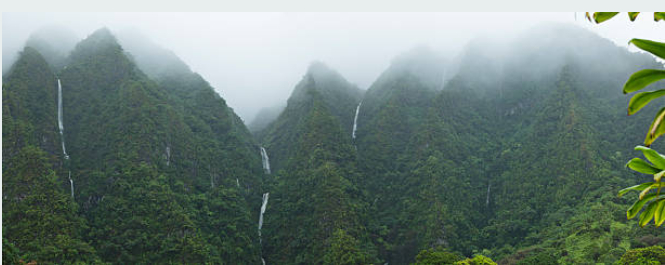
* A serious tsunami warning welcomed us on Oahu (Hawaii) in 2025. It happened just when we were trying to settle into our new place. We came from the Midwest with four-season weather and moved to a two-season island: summer and mostly rain.
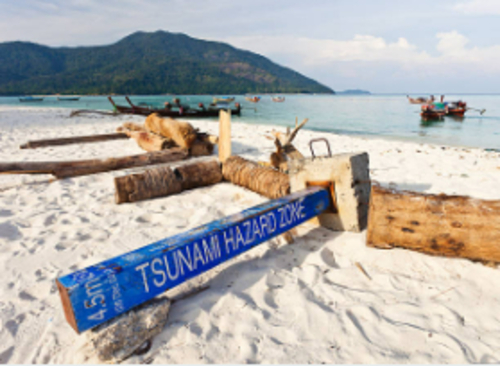
In August of 2025, the island had a tsunami warning. It was so serious that an island-wide alert warning was sent to every resident. Text messages were sent almost every hour. An evacuation was called, urging everyone to go to high ground until the warning subsides.
Check your elevation
I was going to drown and die in the ocean water. I didn’t know how to swim, the first thought in my mind. My partner had more presence of mind than I. He opened the Compass app on his phone. He checked our elevation. He found out our place is only 59 feet above sea level. We took our four dogs and a cat. We packed them in my SUV. Then, we drove about a mile to the Hawaiian Memorial Park Cemetery (on Kamehameha Hwy, Kaneohe). That place was closest to us, over 100 feet of elevation above sea level. Another higher ground is the Nu’uanu Pali Lookout on Hwy. 61 Pali Highway, with about 1,200 ft. above sea level. Most residents went there.
Seek a higher ground
The tsunami countdown ended at the supposed impact time of 7:30 PM. I remember vehicles parked in the cemetery driveway. Some people stayed in their vehicles, while others (including kids) were walking around. Everyone was looking toward the ocean. Some set up a canopy tent and camp chairs, seemingly unbothered.
I was on the phone with my daughter the entire time. I was thinking that if I were to perish in this tsunami, I wanted a conversation with my daughter as the last thing on my mind. They live on the east side of the island, and we are on the south side. They didn’t evacuate; they just stayed home.
The neighbors across the street also didn’t evacuate. The family (of four) simply set up a table and chairs in front of their door and just sat there. Though they packed water, food, and some essentials in empty ice chest coolers, just in case. I thought, maybe, living on the island for years would make one used to these warnings already. Not us, first timers!
Know the island’s emergency management plan… and pray
The fear rushing through my head that time was unimaginable. Honolulu County, which covers the entire Oahu island, is only about 600 square miles of land area. The island is so small that a local tsunami can reach Oahu in as little as 30-40 minutes. A Pacific-wide tsunami originating from Alaska or South America can reach the island in 4-15 hours. This is according to the Hawaii Department of Emergency Management.
I was playing a doomsday scenario in my head at that point, while praying so hard at the same time. The following day, everything was back to normal. The impact wasn’t as severe as weather scientists had predicted. Thank you, Lord, I said out loud!
Our first tsunami warning experience was quite nerve-wracking as it was our first (close) encounter. A tsunami doesn’t happen on the island regularly. The most notable on the island’s recent history was in March 2011, with reported sustained damage of $7.5M and about 18,000 casualties in Japan, where it originated, according to a report from the Hawaii Emergency Management Agency.
A few months after such an unforgettable tsunami warning, we realized some facts about the Hawaii weather. The rainy season usually runs from October to March, with the wettest months being November and February. Then, there’s the alternative hurricane season from June to November. As of February 2026, we haven’t had any hurricane warnings yet, knock on wood.
The summer season, which is hot, sunny, and humid, is from April to September. These months are the best time to come to the island for vacation. Just bring more bucks since this is also the tourist season.
Winter on the island is rain and more rain
We are now in the wettest months of the year, February. I never thought we would have to use our electric fireplace (that we thankfully brought with us). But we did! The winter months on the island are mostly rainy. Most houses, especially old ones, don’t have wall insulation. Waking up and getting up in the chilly morning hours, and stepping on floors that feel wet, wasn’t comfortable. Some condominium residences have carpet on the floors, while old rental houses keep their original wood flooring, which is nice and cool during the hot and humid summer days.
Personally, if you were to ask me, I prefer the rainy days in Oahu over the cold winter days back in the Midwest. No matter how wet, muddy, and chilly some days here are, there are always places with such magnificent views that one can enjoy any season of the year.
Please enjoy some of my personal photos of some of the amazing places on Oahu:
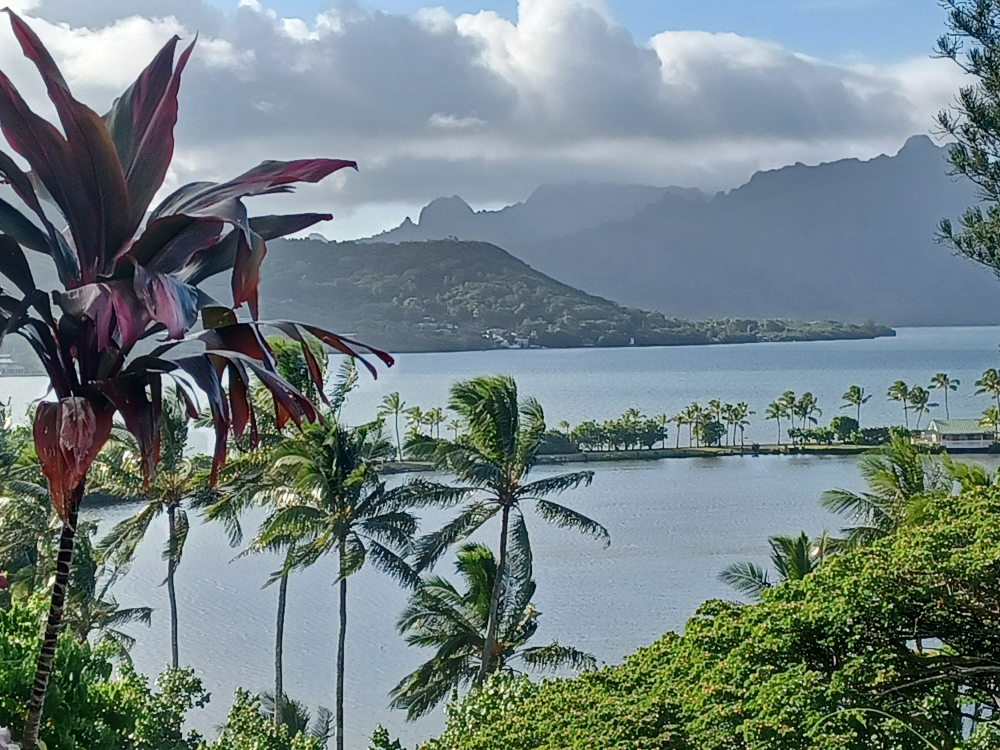
Kaneo’he Bay Overlook
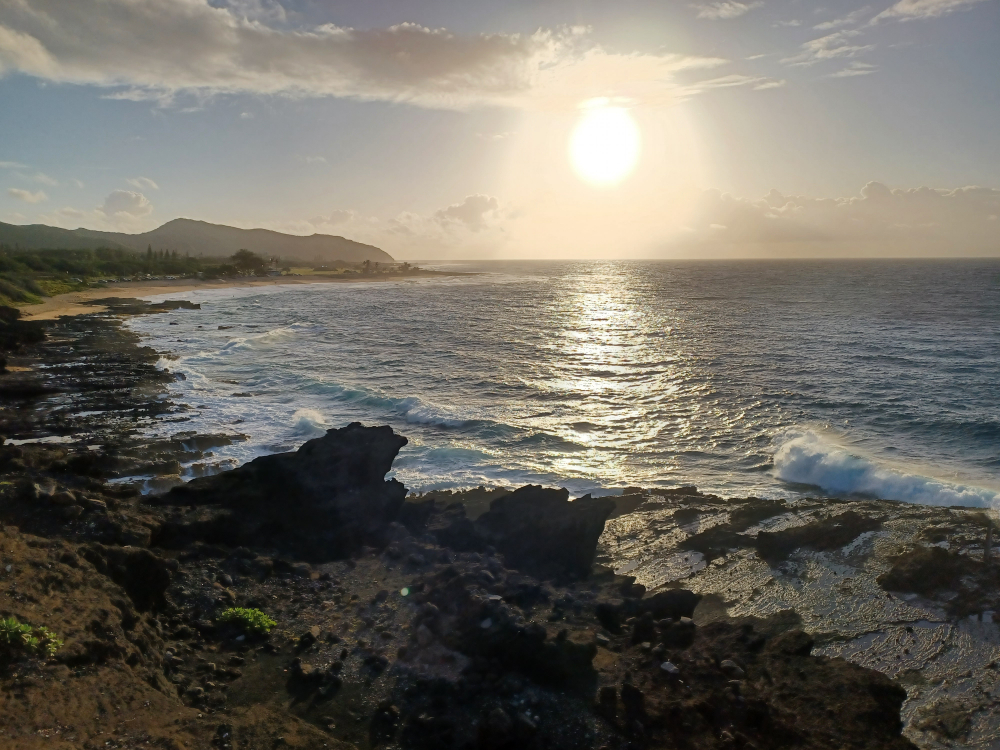
Halona Blowhole Coastline
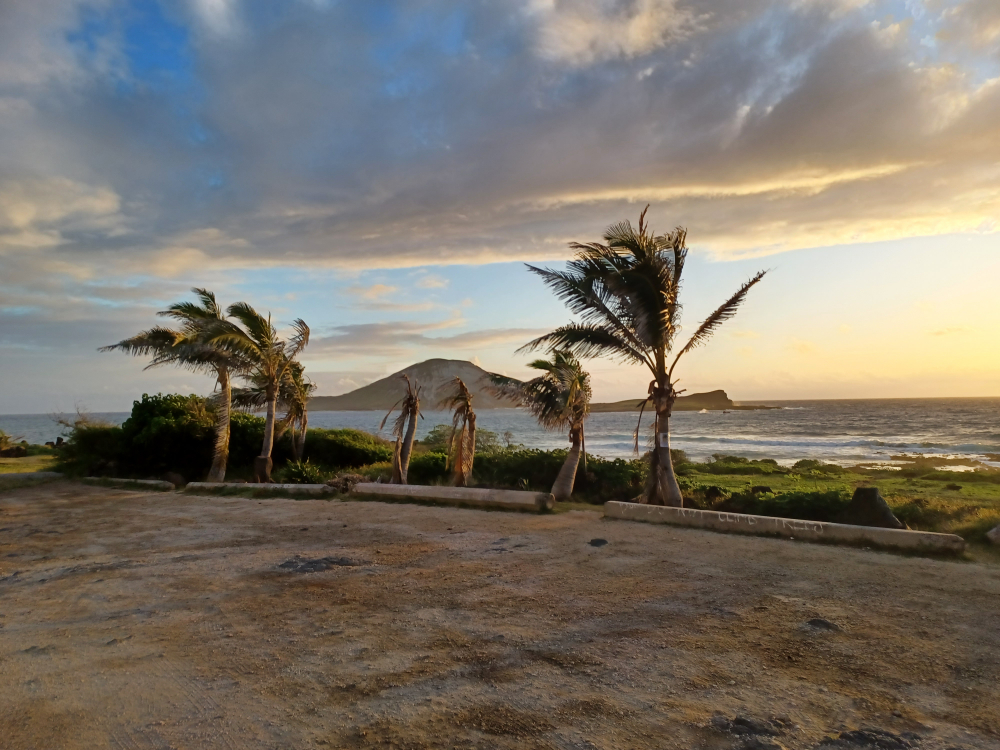
Makapu’u Beach Park
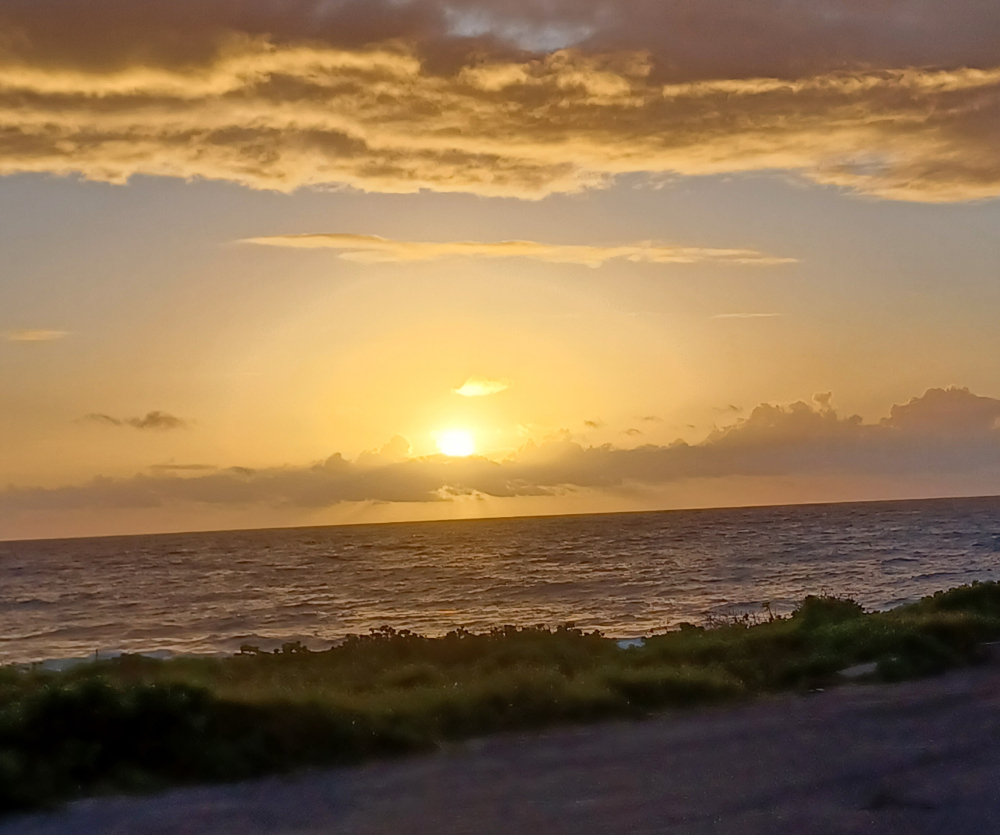
Hawaii Sunrise
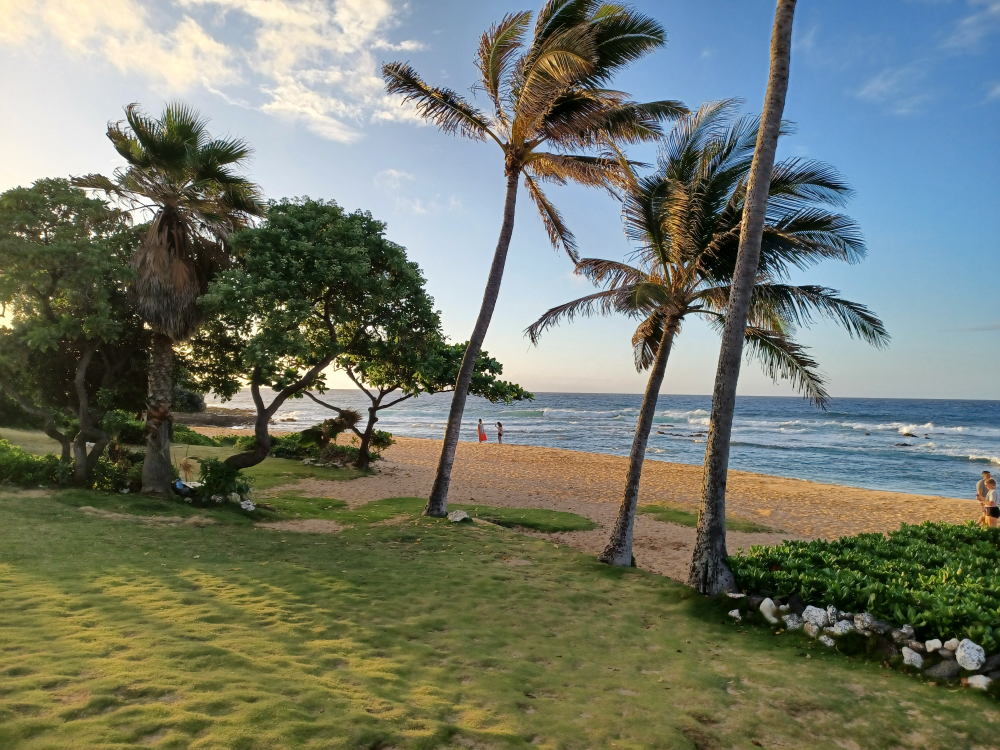
North Shore Beach
 Six Tastes Kitchen