Featured Recipe: AHI TUNA CURRY
* There are a lot of questions surrounding Tuna, especially about its sourcing, sustainability, and health impact on certain population groups that consume it due to its mercury content.
Let’s weigh the Pros.
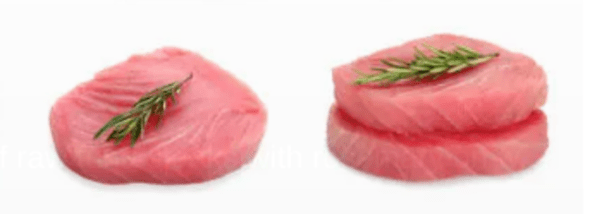
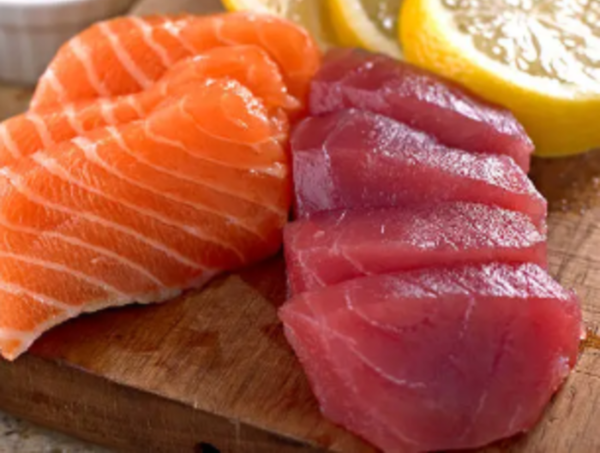
Tuna is packed with protein, vitamins, and minerals. Its meat is leaner (unlike Salmon) due to its higher protein and lower fat content. Healthline.com says a single serving of tuna helps with muscle repair and weight management. Hence, its low-fat content is ideal for low-calorie diets.
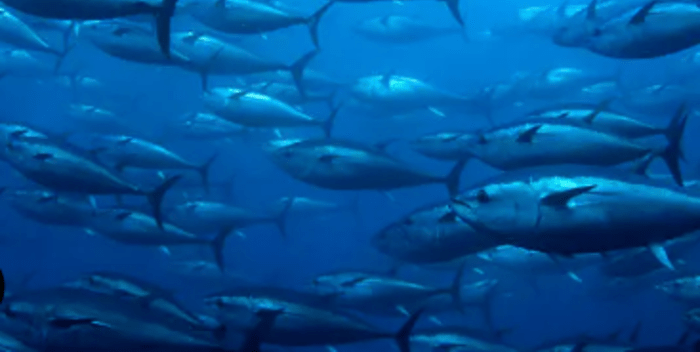
Tuna is primarily an oceanic fish living in deep waters so they are caught in the wild and still fished out of its wild ocean environment. Tuna is least likely to be farmed in tanks or freshwater enclosures under human-controlled conditions.
Tuna is relatively more affordable compared to salmon.
Here are the Cons.
Sustainability is a big concern among tuna users in the food manufacturing industry, the food service industry, and the industry regulators. Since tuna is gaining popularity on a worldwide palate, especially Yellowfin and Bigeye tuna, it has become very susceptible to over fishing particularly with the use of Fish Aggregating Devices (FAD) to lure tuna indiscriminately in massive numbers.
The Marine Stewardship Council (MSC) defines FADs as, “Man-made, usually floating wooden structures with floating nets to attract fish. These rafts are either floating or anchored to the seabed. This method also catches other marine creatures such as turtles, juvenile sharks, and tuna which can become entangled in these structures.”
This kind of fishing technique does not discriminate against catching even the juvenile tuna; thus, posing some concerns about the sustainability of this species in the long term.
According to ConsumerReports.Org tuna, like many other types of fish, contains mercury which can be toxic to adults and more so to children, infants, and pregnant women. Its food safety experts confirmed that mercury is a known neurotoxin. “Too much of it is harmful to children, whose bodies and brains are still growing.” It also warned that mercury also targets pregnant women because the developing brains and nervous systems of their babies are vulnerable to mercury.
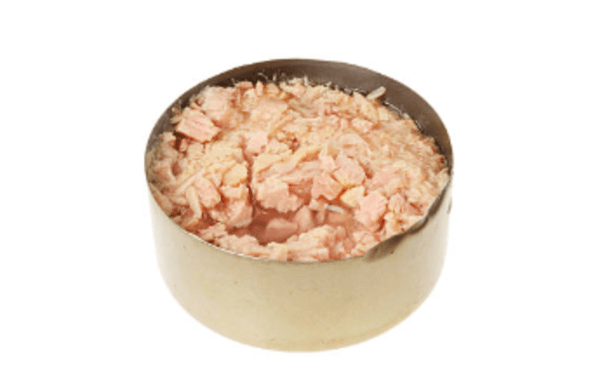
In 2017, the FDA issued stricter guidelines for fish consumption by pregnant women. Under such guidelines, pregnant women could eat up to 12 oz. of light tuna per week assuming they don’t eat any other fish. This could be spread out to 3 servings of tuna with 4 oz per meal in a given week.
However, the National Fisheries Institute (NFI) has debunked this claim. According to NFI, every fish in our ocean has mercury content since mercury is naturally occurring in our ocean. To quote, “No single person in the US has ever experienced mercury poisoning from normal fish consumption, which is 2-3 meals or 8-12 ounces of fish weekly recommended by public health organizations.”

NFI claimed that tuna is one of the ten most popular fish consumed in America that are considered low mercury fish. These ten most consumed popular fish in the US fall well within the U.S. government’s very conservative safety guidelines.
Amid these contrasting institutional findings, I guess it would be up to us consumers to decide if the Pros outweigh the Cons. You can simply pick any smaller fish variety such as sardines or scallops instead of tuna, the choice is yours.
However, for people like myself, who do not want to give up eating tuna for good, there are precautions that we can take so we can eat tuna safely.
So, let’s talk about these precautions. One government agency, the Natural Resources Defense Council (NRDC) has put together some general rules of thumb on safer ways of eating not just tuna but seafood in general. These are the following:
| * Eat in moderation – since tuna and all other bigger fish contain higher amounts of mercury, watching the amount of tuna that we eat should be the main concern. One to two servings of a 4 oz tuna a week should be enough. * Look for product labels – especially information about the source and how it was caught. Look for proper certification, especially from the Aquaculture Stewardship Council that enforces responsible fish farming. * Eat local fish – this is an excellent way to know where your fish comes from and how they are caught. * Diversify your seafood consumption. Instead of eating just a few kinds of fish and seafood like salmon, tuna, shrimp, tilapia, and pollock – why not try other varieties such as mussels, oysters, rockfish, scallops, swordfish, etc. |
In the end, it’s really up to us consumers to weigh the benefits versus the risks. If you’ve come this far, are you still interested in the Ahi Tuna Curry recipe? If you are, keep scrolling!
| Download the Complete Copy of AHI TUNA CURRY RECIPE |
Otherwise, here is a short overview of the recipe:
AHI TUNA CURRY
Ingredients:
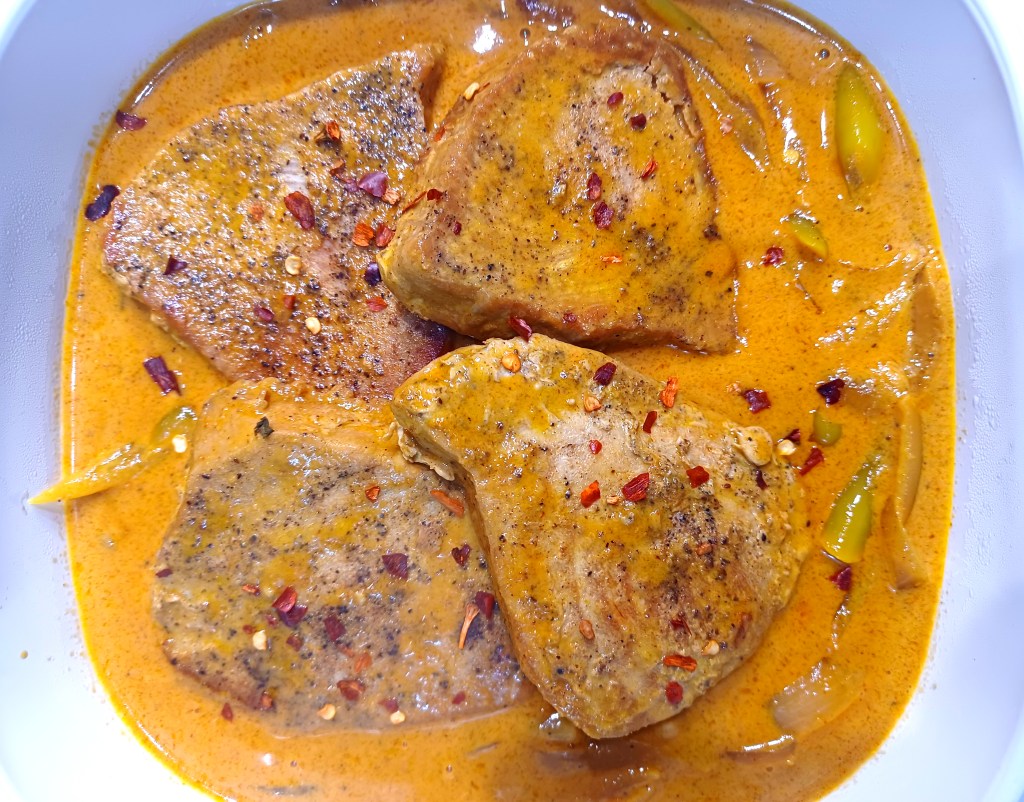
Ahi Tuna steaks, Frying oil, Coconut Cream, Banana Peppers, Spices, Garlic, Curry Powder, Cumin Powder, Red Pepper Flakes
Preparations & Cooking:
1. Season the tuna steak and slightly fry.
2. In the same pan, saute the garlic and add the coconut cream and spices. Let it simmer.
3. Stir the mixture then add the tuna steak.
4. Add the banana peppers. Let it simmer again.
5. Adjust the taste if needed.
6. Add the red pepper flakes for garnish.
 Six Tastes Kitchen