Healing Food Series
* What are thyroid disorders? Johns Hopkins Medicine states that thyroid disorders can result in the gland producing too little thyroid hormone (hypothyroidism) or too much hormone (hyperthyroidism).
These disorders can affect heart rate, mood, energy level, metabolism, bone health, pregnancy, and many other functions. There are six (6) types of thyroid disorders according to Johns Hopkins Medicine:
* Hyperthyroidism
* Hypothyroidism
* Hashimoto’s thyroiditis
* Thyroid nodules and adenomas
* Thyroid cancer
* Postpartum Thyroiditis (women-specific thyroid disease during pregnancy and after giving birth)
Can you fix thyroid disorders with a diet change? That is the pressing question that we are interested in.
STK has scoured the internet to look for more “natural” or “holistic” alternatives to improve thyroid health if not to complement or support an ongoing medical treatment. In this article, STK focuses on hypothyroidism, among other types of thyroid disorders.
On Hypothyroidism
According to The American Thyroid Association hypothyroidism means that the thyroid gland can’t make enough thyroid hormone to keep the body running normally. People are hypothyroid if they have too little thyroid hormone in the blood.
STK has found three institutions that suggest alternative approaches to hypothyroidism. One of which is St. Luke’s Health which claims that while the cause of thyroid disorders is largely unknown, there is evidence that certain foods can aid in thyroid function.
According to St. Luke’s Health, below are five superfoods that can be added to a patient’s diet:
* Roasted seaweed such as kelp, nori, and wakame which are all rich in iodine
* Salted nuts such as Brazil nuts, macadamia, and hazelnuts which are excellent sources of selenium
* Baked fish rich in Omega-3 fatty acids and selenium
* Dairy products like yogurt, ice cream, and milk contain iodine
* Fresh eggs which contain healthy amounts of selenium and iodine
Another institution is Modern Holistic Health based in Austin, Texas. It states that addressing the gut is very important because most thyroid hormone is actually made in the gut, not in the thyroid! In fact, much of the thyroid hormone conversion happens not only in the gut but also in the liver.
“Holistic practitioners understand the strong interplay within the organ systems and how one organ dysfunction can affect an entire other system. That’s why addressing the body as a whole is so important to success in healing not only the thyroid but any imbalance in the body.“
Modern Holistic Health recommends the consumption of more anti-inflammatory foods for hypothyroidism such as:
* Antioxidant-rich vegetables and fruits
* Wild-caught fish
* Coconut oil
* Probiotic-rich coconut yogurt and coconut kefir
* Kimchi and sauerkraut
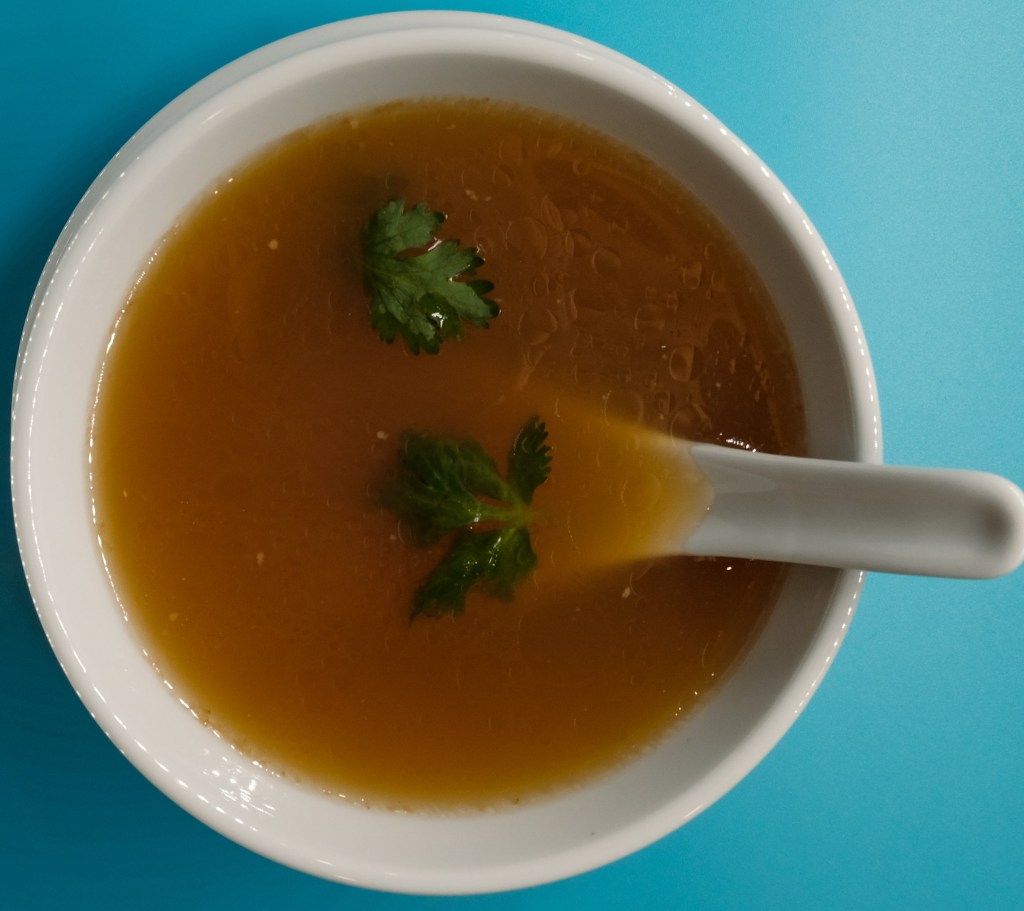
* Bone Broth
The other institution is the New York-based Everyday Health Group. On its Everyday Health.com online publication, it says, “Hypothyroidism can be a tricky condition to manage, and what you eat can interfere with your treatment. Some nutrients heavily influence the function of the thyroid gland, and certain foods can inhibit your body’s ability to absorb the replacement hormones you may take as part of your thyroid treatment.”
According to Everyday Health Group while there’s no such thing as a “hypothyroidism diet” that will make you well, eating smart can help you feel better despite the condition. It suggests nine foods to limit or avoid while managing hypothyroidism:
* Food with soy including edamame, tofu, and miso
* Cruciferous Vegetables Like Broccoli and Cauliflower
* Gluten, found in bread and pasta
* Fatty foods such as butter, meat, and all things fried
* Sugary foods to be taken in moderation
* Processed foods in packages and frozen aisles
* Excess fiber from beans, legumes, and vegetables
* Alcohol
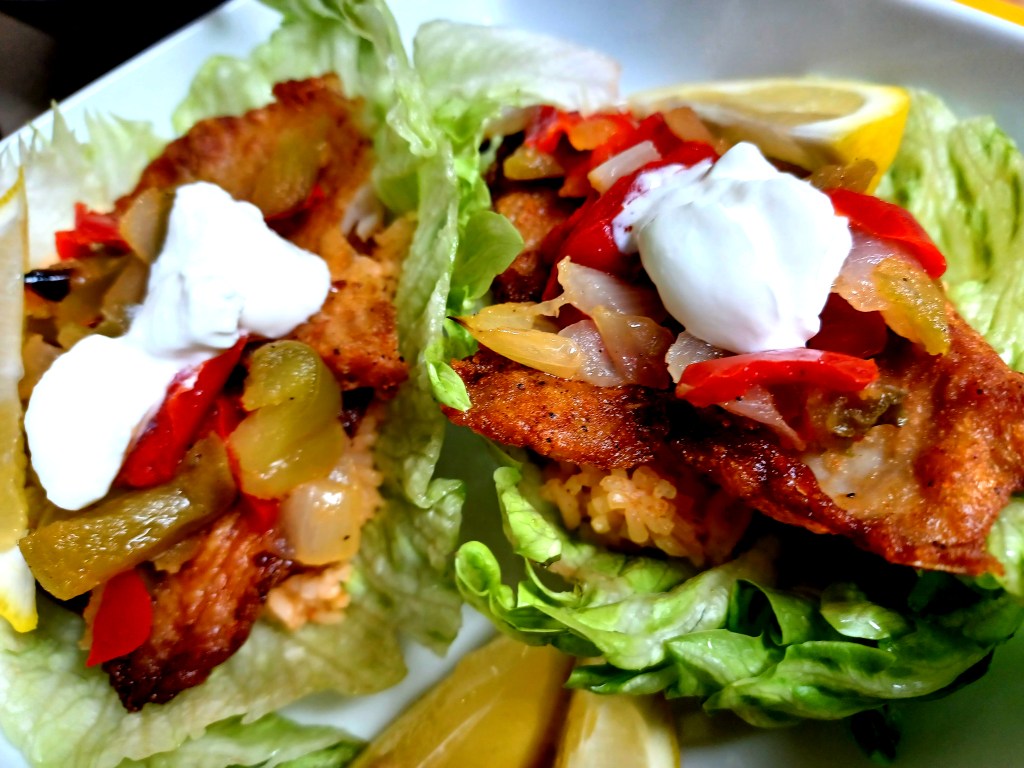
>>> Read the 5-day Meal Plan for Hypothyroidism
 Six Tastes Kitchen